


**SEO-Optimized Introduction**
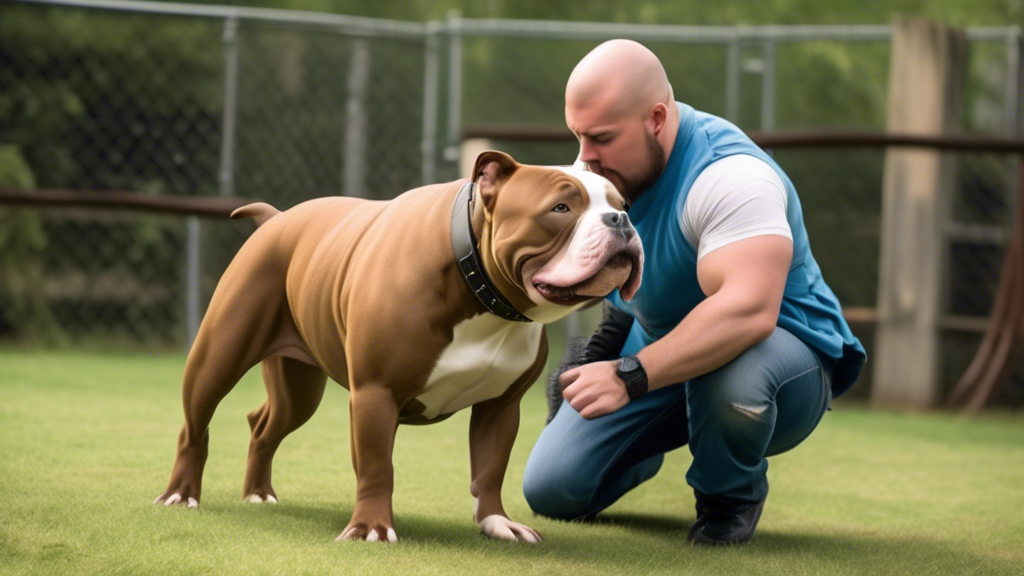
American Bully dogs are renowned for their affectionate and lively nature, but their exuberant jumping behavior can sometimes become a challenge. Understanding the underlying causes and employing effective training techniques is crucial to curb this unwanted habit. This article delves into the etiology of American Bully jumping behavior, exploring the triggers (e.g., excitement, anxiety, attention-seeking) and their impact on owners and social interactions. Furthermore, it provides practical training strategies, including positive reinforcement, distractions, command training, and gentle corrections, to help owners effectively reduce jumping and foster a harmonious relationship with their beloved companions.
Understanding American Bully Jumping Behavior
Causes of Jumping
American Bully jumping behavior stems from various underlying motivations:
- Excitement: When overly excited, American Bullies may jump as a physical expression of joy or anticipation.
- Anxiety: Jumping can also be a coping mechanism for anxious dogs, providing a sense of relief or reassurance.
- Attention-Seeking: Some American Bullies resort to jumping to gain attention from their owners or strangers.
Impact on Owners and Others
Uncontrolled jumping behavior can have significant consequences for both owners and those around them:
- Injuries: Jumpers can unintentionally cause injuries by knocking down young children or adults, especially seniors.
- Embarrassment: Owners may feel embarrassed or ashamed when their dogs jump on guests or in public settings.
- Social Challenges: Excessive jumping can make it difficult for American Bullies to interact calmly with other dogs or people in social situations.
Recognizing the causes and consequences of jumping behavior is essential for developing effective training strategies to address this issue.
The #1 Free Source for Pitbull & Bully Pedigrees!
Effective Training Techniques to Reduce Jumping
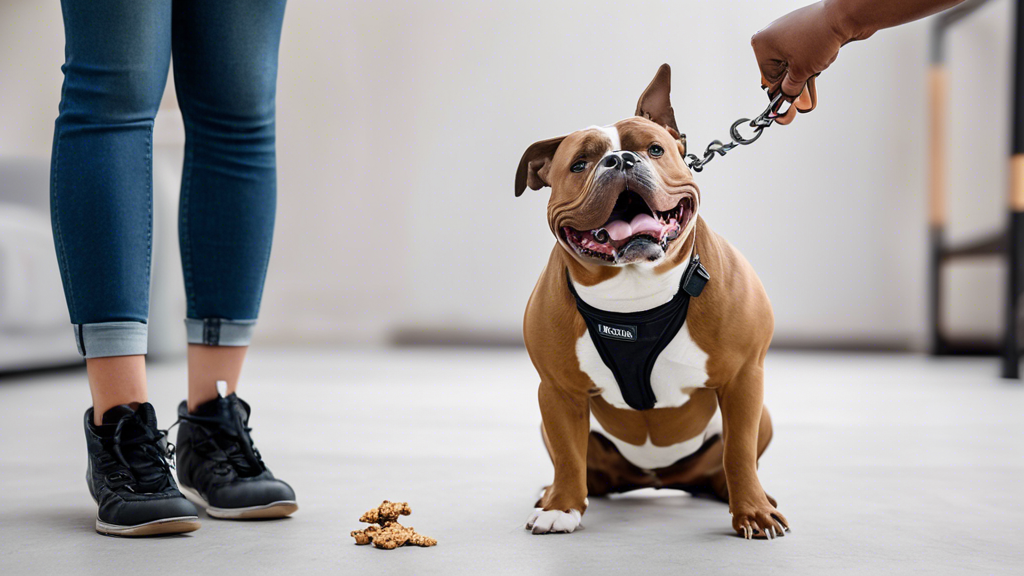
Training your American Bully to control their jumping behavior requires patience, consistency, and positive reinforcement. Here are several proven training techniques that can help:
1. Positive Reinforcement
- Treat rewards: Offer small, high-value treats to your dog when they exhibit calm and appropriate behavior, such as sitting or staying on command.
- Verbal praise: Use enthusiastic and affectionate praise to reward your dog for non-jumping behavior. Words like good dog or yes will help them understand what you expect.
2. Distractions and Redirection
- Toys: Provide your dog with plenty of toys to keep them entertained and mentally stimulated. When they start to jump, offer a toy as a distraction.
- Games: Engage your dog in games that require mental and physical focus, such as fetch or hide-and-seek. This will help channel their energy in a positive way.
3. Command Training and Gentle Corrections
- Sit and stay commands: Teach your dog the sit and stay commands thoroughly. These commands can be used to interrupt jumping behavior and reinforce calm behavior.
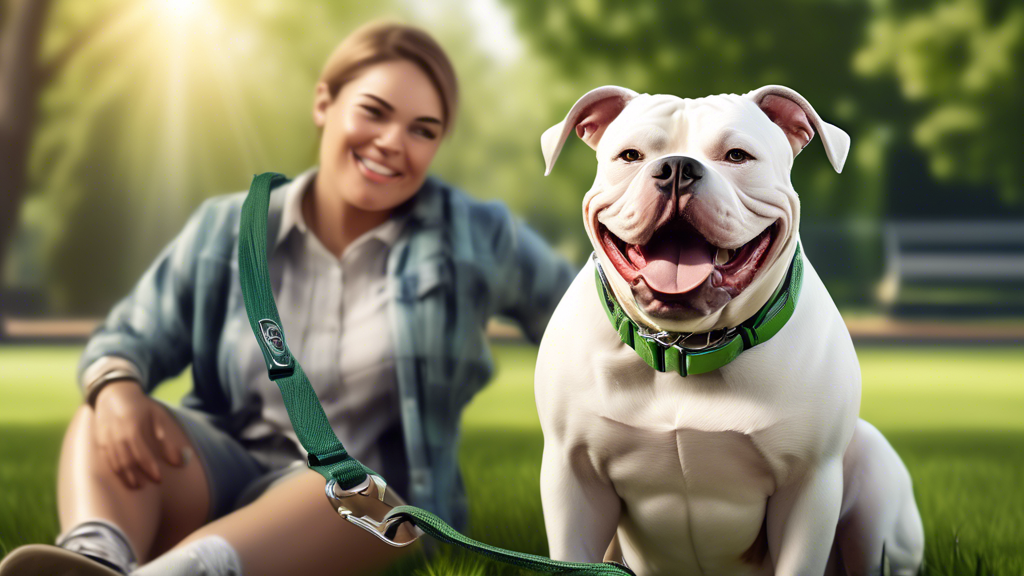
- Leash training: Use a leash to control your dog’s movement. When they jump, gently pull them back while saying no or down. Avoid using harsh corrections, as this can damage your dog’s trust and relationship with you.
Consistency and Patience is the Key
Remember to be consistent with your training and patient with your dog’s progress. Jumping behavior can be unlearned, but it takes time and dedication. By using a combination of positive reinforcement, distractions, and command training, you can effectively reduce jumping and promote a well-behaved American Bully.
**Conclusion**
Understanding and effectively handling American Bully jumping behavior requires a combination of patience, consistency, and positive reinforcement. By identifying the underlying causes and implementing the aforementioned training techniques, owners can effectively curb this behavior and improve the overall well-being of their dogs.
Implementing positive reinforcement strategies, such as rewarding calm and controlled behavior, helps establish desired routines and reinforces appropriate actions. Using distractions and redirection techniques effectively channels excess energy and prevents boredom-induced jumping. Additionally, command training and gentle corrections provide clear boundaries and teach the dog acceptable behaviors in various situations.
Owners should maintain patience and consistency throughout the training process, as progress may vary depending on the individual dog. It is crucial to avoid punishing the dog for jumping, as this may exacerbate anxiety or fear, and instead focus on rewarding desired behaviors.
Successful management of American Bully jumping behavior improves not only the safety and comfort of owners and others but also strengthens the bond between human and dog. By following the outlined steps, owners can effectively reduce jumping and promote a harmonious and well-balanced relationship with their canine companions.





Leave A Comment
You must be logged in to post a comment.