


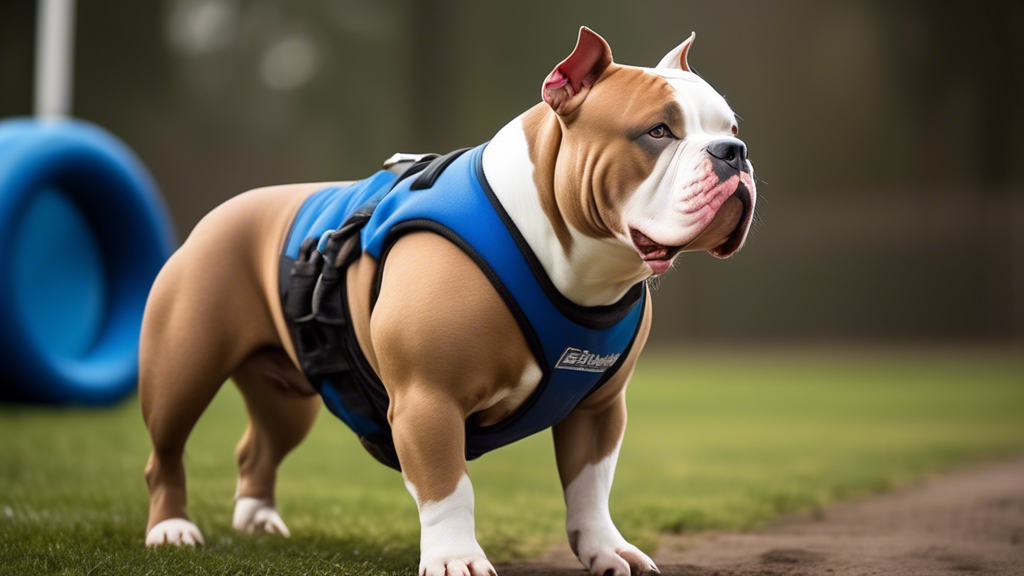
## Understanding American Bully Dogs: A Guide to Their Traits and Temperament
### Characteristics of American Bully Dogs
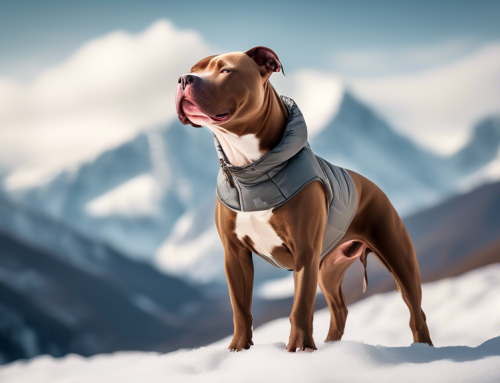
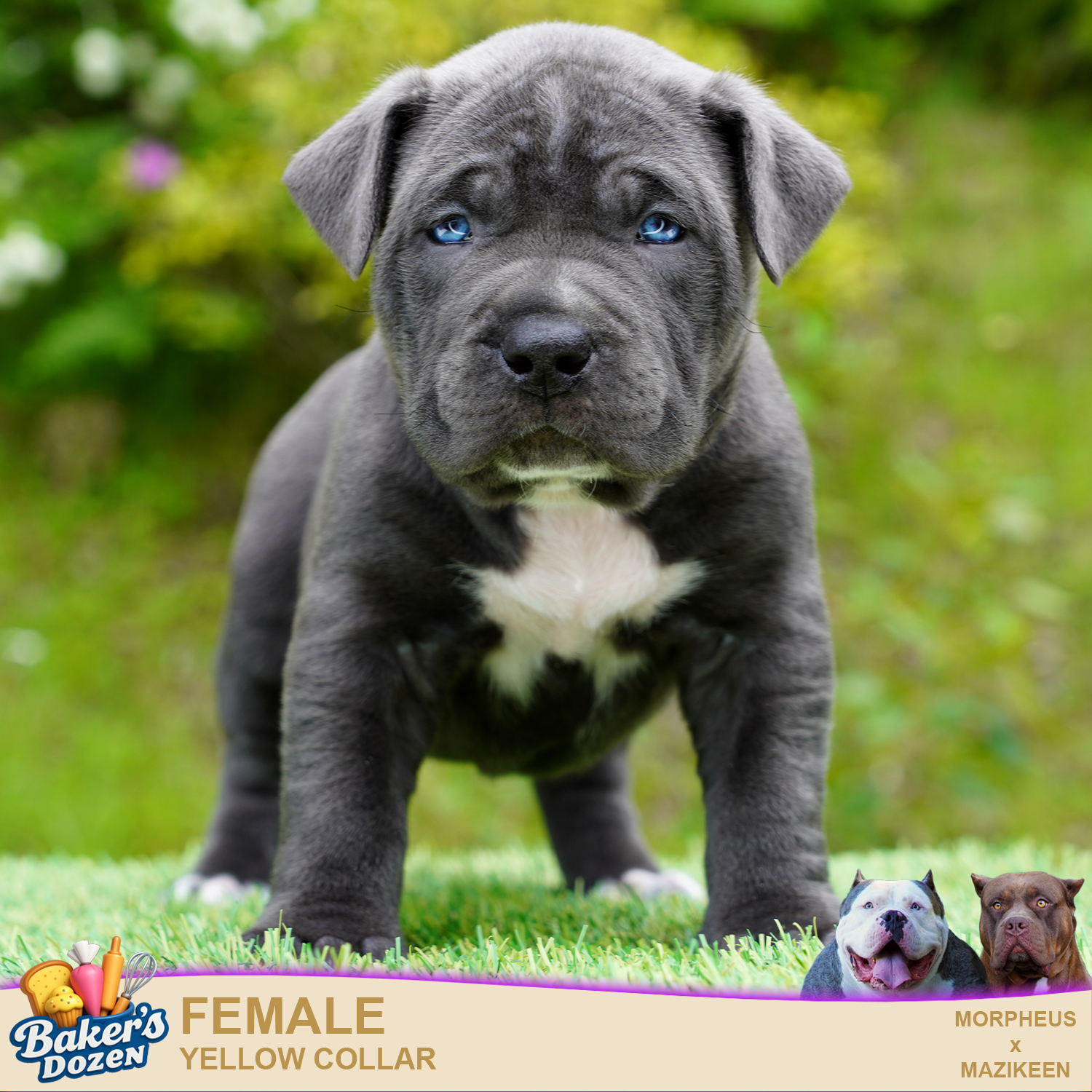
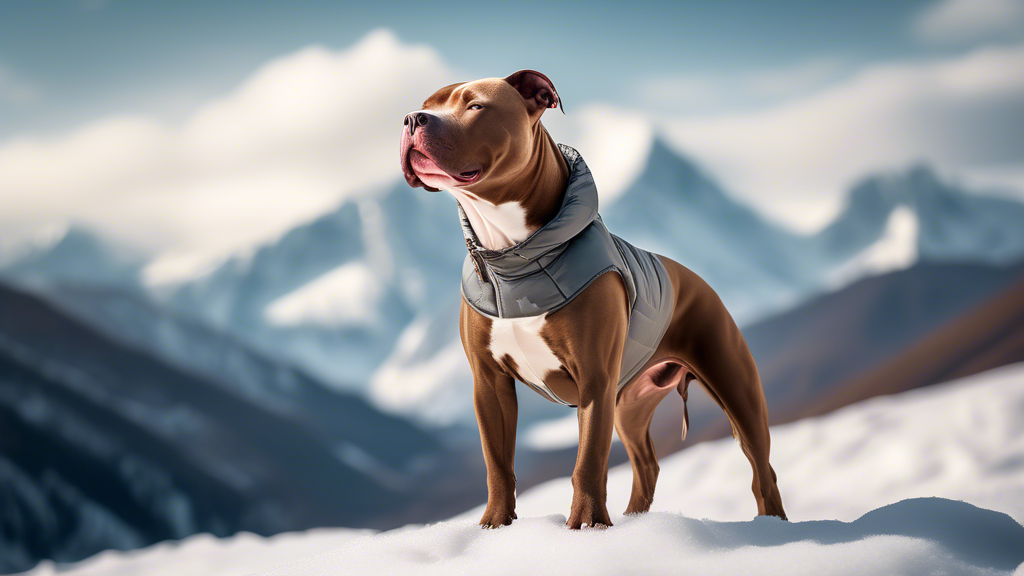
American Bully Dogs, a breed recognized by the American Bully Kennel Club (ABKC), are known for their unique physical attributes and personality traits. They are typically characterized by their muscular physique, broad head, and short, dense coat. Colors can vary, ranging from black, brown, white, and brindle to blue, fawn, and lilac.
### Temperament of American Bully Dogs
American Bully Dogs are generally considered friendly and outgoing dogs. They are known for their loyalty to their owners and make excellent companions for families with older children. However, early socialization and proper training are crucial to ensure a well-adjusted dog.
### Importance of Socialization and Early Training
Socialization is essential for American Bully Dogs, as it helps them develop positive interactions with other animals, humans, and their environment. Early training is also important to establish basic obedience and prevent behavioral issues from developing. A well-trained American Bully Dog will be a joy to own and will thrive in their family setting.
## II. Training Techniques for American Bully Dogs
American Bully Dogs, with their powerful physique and strong-willed nature, require a dedicated and consistent training approach to channel their energy and develop desirable behaviors. This section explores effective training methods, from fundamental obedience commands to advanced disciplines, empowering you to build a well-rounded companion.
### Positive Reinforcement and Reward-Based Training
American Bully Dogs are highly motivated by rewards, making positive reinforcement an ideal training method. This approach rewards desired behaviors, such as sitting or staying, with treats, praise, or playtime. By associating positive consequences with good actions, dogs learn to repeat those behaviors for the desired reward.
### Basic Obedience Commands (Sit, Stay, Heel)
Establishing a solid foundation in basic obedience is crucial for controlling and managing your Bully. Begin with sit, instructing the dog to lower its hindquarters to the ground. Gradually move to stay, teaching the dog to maintain its position for extended periods. Heel trains the dog to walk calmly beside you, allowing for greater control on walks or in public spaces.
### Advanced Training (Leash Manners, Tricks)
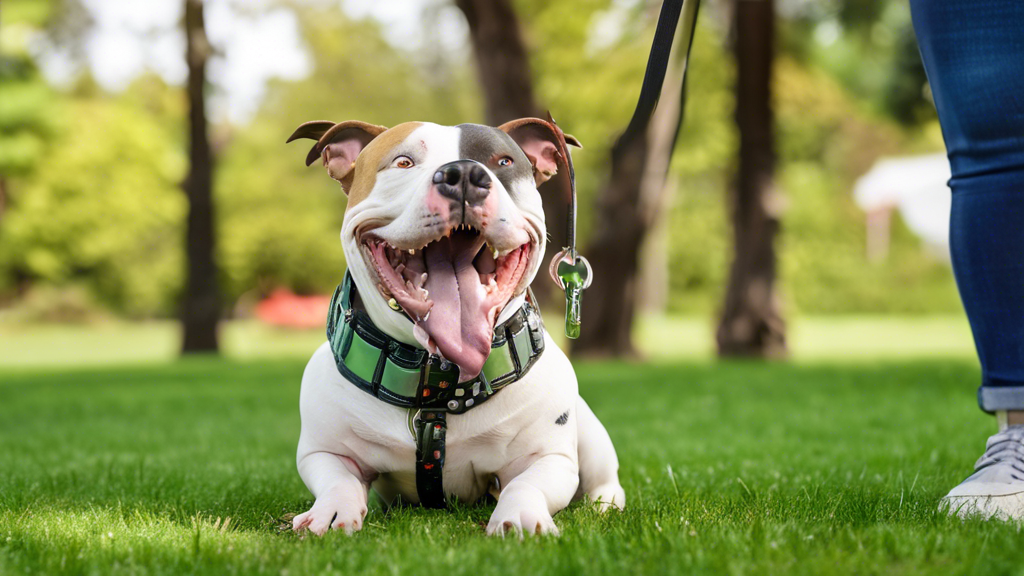
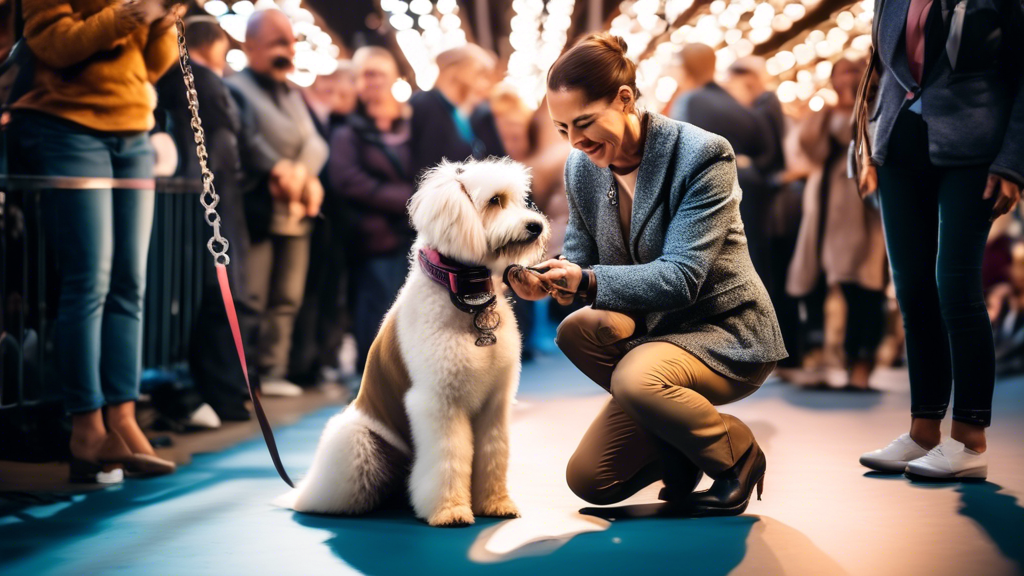
Once basic commands are mastered, consider expanding your training repertoire. Leash manners are essential for controlling your dog in various environments. Teach your Bully to walk politely on a loose leash, avoiding pulling or lunging. Advanced tricks, such as rolling over, playing dead, or jumping through a hoop, provide mental stimulation and strengthen your bond.
### Addressing Common Behavior Issues (Aggression, Jumping)
Certain behaviors, such as aggression or excessive jumping, may require specialized training techniques. If your Bully exhibits these behaviors, consult with a professional dog trainer or behaviorist. They can assess the underlying causes and develop a tailored training plan to address the issues effectively.
**Additional Tips for American Bully Dog Training:**
* **Consistency:** Maintain a consistent training schedule and approach to avoid confusion.
* **Patience and Persistence:** Training can take time and effort. Stay patient and don’t give up easily.
* **Socialization:** Exposing your Bully to various people, animals, and environments from an early age helps prevent fear and aggression.
* **Positive Mindset:** Approach training with a positive attitude and avoid using harsh punishment.
* **Professional Help:** Don’t hesitate to seek professional assistance if you encounter persistent problems or complex behavioral issues.
By implementing these training techniques and following these additional tips, you can effectively train your American Bully Dog, fostering a harmonious relationship built on trust and mutual respect.
The #1 Free Source for Pitbull & Bully Pedigrees!
**Conclusion:**
Training an American Bully Dog requires patience, consistency, and a strong bond between the owner and the dog. By following the principles of positive reinforcement and early socialization, owners can effectively mold their Bully’s behavior and enhance their overall well-being. The basic obedience commands and advanced training techniques outlined in this article provide a comprehensive foundation for building a well-trained and well-behaved American Bully. By addressing common behavior issues promptly, owners can prevent them from escalating into more serious problems. Remember that training is an ongoing process that requires regular practice and reinforcement. With dedication and a positive approach, owners can establish a strong and fulfilling relationship with their American Bully, ensuring a life of companionship and obedience.



Leave A Comment
You must be logged in to post a comment.